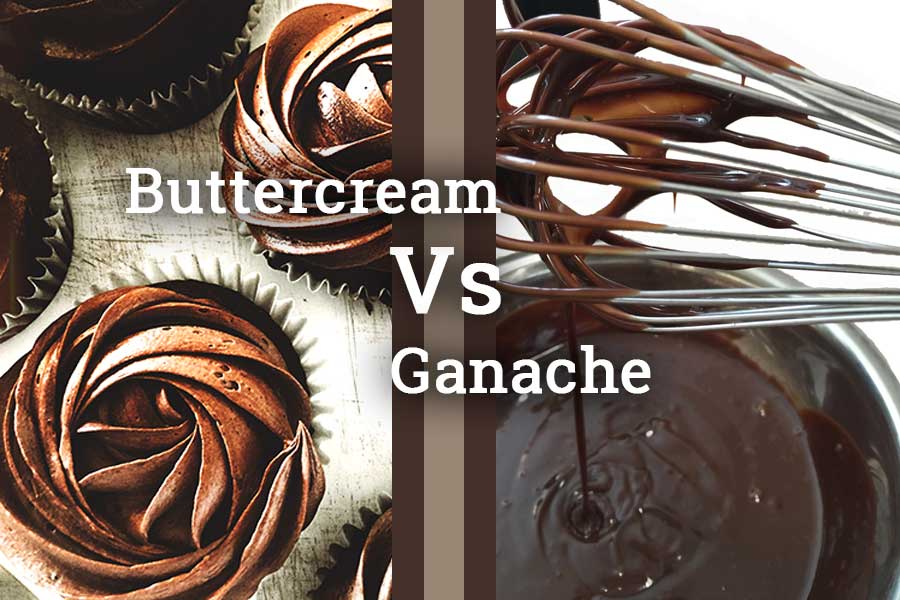
Ganache vs. Buttercream: Choosing Your Ultimate Chocolate Frosting
For any chocolate lover, the mere mention of a rich, velvety chocolate frosting can ignite a spark of pure joy. But when it comes to crowning your cakes, cupcakes, or even cookies, two titans stand tall in the dessert world: chocolate ganache and classic buttercream. Both offer decadent experiences, yet they possess distinct personalities, ingredients, and applications. Understanding these differences is key to choosing the ultimate chocolate frosting that perfectly complements your creation and satisfies your craving.
This article delves into the heart of both these beloved frostings, exploring their composition, flavor profiles, textures, and ideal uses. By the end, you'll be equipped with the knowledge to make an informed decision for your next baking adventure, ensuring every bite is pure bliss.
The Allure of Chocolate Ganache Frosting: A Deep Dive into Decadence
At its core, traditional French ganache is a marvel of simplicity and elegance: a luxurious emulsion of just two ingredients – chocolate and cream. Melted together slowly and stirred until silky smooth, this humble beginning yields a rich, glossy mixture that has graced patisseries for centuries. Depending on the ratio of chocolate to cream, ganache can be a pourable glaze for tarts, a decadent filling for tortes, or the sturdy base for exquisite chocolate truffles. Its inherent sweetness is derived solely from the chocolate itself, allowing the deep, nuanced cocoa notes to shine through.
However, when we talk about
chocolate ganache frosting, we often refer to an evolved form of this classic, specifically designed for spreadability and stability on cakes and cupcakes. Recipes from renowned sources like Martha Stewart often introduce an additional ingredient like light corn syrup. This clever addition is not just for sweetness; it's a secret weapon for achieving that coveted shiny finish, ensuring the ganache remains beautifully spreadable, and preventing it from becoming overly hard once cooled. Imagine a fudge-like density that still yields to your palate – that's the magic the corn syrup brings. For a deeper dive into making this specific type of ganache, you might want to explore our guide on
Achieve Shiny, Spreadable Chocolate Ganache with 3 Ingredients.
Other fantastic variations, like Molly J Wilk's recipe, take the foundational ganache and elevate it further by incorporating butter and powdered sugar. This transformation aims to capture the best of both worlds: the profound, fudgy chocolate flavor of ganache combined with the creamy, fluffy texture often associated with buttercream. The butter enhances richness and spreadability, while powdered sugar contributes to structure and sweetness, making it ideal for piping and decorating.
Key Ingredients and Their Impact:
- Quality Chocolate: This is non-negotiable for an outstanding chocolate ganache frosting. Bittersweet chocolate, typically around 60% cocoa solids, is often recommended for its balanced flavor – deep cocoa without being overly sweet. Brands like Ghirardelli or, for a true European experience, Valrhona or Callebaut, melt beautifully and offer complex chocolate notes. The cocoa percentage is crucial; too low results in excessive sweetness, while too high can compromise the smooth, creamy texture.
- Heavy Cream: The "magic" ingredient, heavy cream (with a high fat content) emulsifies with the chocolate, creating that luxurious body, silky texture, and signature shine. It’s what transforms solid chocolate into a pourable or spreadable delight.
- Corn Syrup: As mentioned, it's key for preventing crystallization, maintaining shine, and ensuring a pliable, spreadable consistency that doesn't harden completely, making it perfect for frosting.
- Butter and Powdered Sugar: When added to a traditional ganache base, these ingredients contribute significantly to stability, volume, and a creamier, more pipeable texture, blurring the lines between ganache and buttercream in the most delightful way.
Achieving the perfect consistency with
chocolate ganache frosting can sometimes feel like a delicate dance. If your ganache becomes too firm to spread, don't fret! A gentle reheat in a heatproof bowl over a pan of simmering water (a bain-marie) until it just starts to melt around the edges, followed by a good stir, will bring it back to that silky, spreadable state. Its versatility is legendary; beyond cakes and cupcakes, it can glaze donuts, top cookies and macaroons, be drizzled over biscotti, or even rolled into decadent truffles. For more detailed instructions on mastering this versatile frosting, consider checking out
Master Decadent Chocolate Ganache Frosting for All Desserts.
Unpacking the Charm of Classic Buttercream
In contrast to the minimalist elegance of ganache, buttercream embraces a more opulent, often sweeter, personality. At its core, buttercream is an emulsion of softened butter and confectioners' sugar, beaten together until light and fluffy. Cream, milk, or sometimes meringue (in the case of Swiss or Italian buttercreams) is then added, along with flavorings like vanilla extract, cocoa powder, or melted chocolate.
The defining characteristics of buttercream are its pronounced butter flavor and its inherent sweetness. It's the quintessential "cake frosting" many grew up with, known for its ability to hold intricate piped designs, its airy texture, and its comforting familiarity. When it comes to chocolate buttercream, cocoa powder or melted chocolate is incorporated to infuse it with cocoa notes. While delicious, the chocolate flavor in buttercream is often less intense and more mellow than in a pure
chocolate ganache frosting, as the butter and sugar flavors play a more dominant role.
Advantages of Buttercream:
- Excellent for Decorating: Its stability and ability to hold its shape make it perfect for elaborate piping work, intricate designs, and multi-layered cakes.
- Fluffy Texture: The whipping process incorporates air, resulting in a light, airy, and creamy mouthfeel that contrasts beautifully with dense cakes.
- Flavor Versatility: Buttercream is a fantastic canvas for a wide array of flavors beyond chocolate, from fruit purees to coffee, mint, or caramel.
- Familiar Comfort: For many, buttercream embodies the classic celebratory dessert experience.
While generally robust, buttercream can soften in very warm environments, making it less ideal for outdoor summer events unless properly chilled.
Ganache vs. Buttercream: The Ultimate Showdown
Now that we've explored each frosting individually, let's put them head-to-head on key characteristics to help you make your ultimate choice.
- Flavor Intensity & Sweetness:
- Chocolate Ganache Frosting: Delivers a deep, intense chocolate flavor, with its sweetness primarily determined by the type of chocolate used (bittersweet being less sweet than semi-sweet). It's often perceived as more sophisticated and less cloyingly sweet.
- Buttercream: Characterized by a noticeable butter flavor and a higher level of sweetness due to the generous amount of confectioners' sugar. While chocolate buttercream is delicious, the chocolate notes are often more subtle, harmonizing with the butter and sugar.
- Texture & Consistency:
- Chocolate Ganache Frosting: Ranges from a pourable glaze to a dense, fudgy, and incredibly smooth spread. It has a luxurious, glossy sheen and tends to remain softer at room temperature than buttercream, sometimes having a pleasing melt-in-your-mouth quality.
- Buttercream: Known for its fluffy, airy, and creamy texture. It holds its shape exceptionally well, making it perfect for structural decoration, and sets firmer than ganache at room temperature.
- Ease of Use & Application:
- Chocolate Ganache Frosting: Requires careful attention to temperature for the right consistency. It's excellent for glazing, drizzling, or a smooth, dense coating. While some enriched versions can be piped, its dense nature means it might not hold super-intricate details as sharply as buttercream.
- Buttercream: Generally very forgiving for piping and spreading. Its stable structure makes it a go-to for elaborate decorations, borders, and covering large surfaces smoothly.
- Ingredients & Simplicity:
- Chocolate Ganache Frosting: Starts with just a few, high-quality ingredients (chocolate, cream, sometimes corn syrup/butter/sugar). The quality of the chocolate is paramount.
- Buttercream: Uses more common pantry staples (butter, powdered sugar, milk/cream), with the quality of butter making a noticeable difference.
- Stability & Best Environment:
- Chocolate Ganache Frosting: Can be sensitive to very warm environments, becoming soft and potentially losing shape. Best in controlled indoor temperatures.
- Buttercream: Generally more stable in varying room temperatures than ganache, making it a safer bet for displays or events, though extreme heat will still affect it.
Choosing Your Ultimate Chocolate Frosting: Tips for Every Occasion
The "ultimate" chocolate frosting isn't a one-size-fits-all answer; it's about matching the frosting to your dessert, your occasion, and your personal preference.
Opt for Chocolate Ganache Frosting when:
- You crave an intensely rich, deep chocolate experience that isn't overly sweet.
- You want a sophisticated, glossy finish for a sleek, modern cake or tart.
- You're making a dense, fudgy filling for a layer cake or seeking a glaze for homemade donuts.
- You desire that "Parisian patisserie" quality in your dessert.
- You appreciate a frosting that melts beautifully in your mouth.
Choose Buttercream when:
- You need to create intricate piped decorations, borders, or flowers on your cake or cupcakes.
- You prefer a sweeter, fluffier, and lighter texture that contrasts with a dense cake.
- You want a classic, comforting "cake frosting" taste that appeals to a wide audience.
- You plan to incorporate a wide variety of additional flavors beyond just chocolate.
- You need a more stable frosting for display in moderate room temperatures.
Pro Tip: Don't feel limited to just one! Many bakers achieve incredible results by combining the best of both worlds. Imagine a cake filled with a rich
chocolate ganache frosting and then elegantly piped with a fluffy chocolate buttercream exterior, or a ganache drip over a beautifully decorated buttercream cake. These hybrid approaches offer textural contrast and a complex flavor profile that can elevate your dessert to new heights.
Ultimately, both chocolate ganache and buttercream are exceptional choices for chocolate lovers. Your decision boils down to the specific flavor, texture, and aesthetic you envision for your masterpiece. Experiment with both, understand their unique characteristics, and you’ll discover your ultimate chocolate frosting companion for every sweet creation. Happy baking!